Finding the Right Rural Land for Sale: A Practical Guide for First-Time Buyers
When I first started looking for rural land for sale, I had no idea how much there was to learn. I spent hours scrolling through listings, getting excited about photos of rolling hills and dense timber, only to realize later that the property had no road access or that the soil wouldn't perk for a septic system. Over time, I figured out what questions to ask and what details truly matter. If you are considering buying a piece of rural property for recreation, off-grid living, or building a legacy, this guide will help you avoid the mistakes I made and find a tract that works for your goals.
Start With Your Why
Before you even search for rural land for sale, take a moment to think about how you plan to use the land. The answer will shape every decision that follows. Are you looking for a weekend getaway where you can park a teardrop trailer and ride off-road vehicles? Do you want to build a tiny house and live off-grid full-time? Maybe you dream of homesteading with a garden, some livestock, and a quiet life away from the noise.
Each use case demands different features. Recreational land might prioritize hunting property or fishing access, while a homesite needs reliable water, good soil, and a practical approach to utilities. I have seen buyers fall in love with a property only to discover that well drilling would cost more than the land itself. Knowing your primary purpose keeps you grounded when you are touring a beautiful parcel.
Financing Options That Make Sense
One of the biggest hurdles for first-time buyers is financing. Traditional lenders often hesitate to fund raw land, especially if there is no house or development plan. That is where owner financing comes in. Many sellers offer a land contract, which lets you make payments directly to the seller instead of going through a bank. This arrangement often requires no credit check and a low down payment, which opens the door for people who might not qualify for a conventional loan.
I once helped a friend buy a 10-acre parcel in the Ozarks using owner financing. He put down a modest amount and paid the rest over five years. The process was straightforward, and he avoided the paperwork and fees that come with a traditional mortgage. If you are shopping for rural land for sale, look for listings that mention owner financing. It can save you time and hassle, and it gives you more flexibility to negotiate terms that fit your budget.
Location and Terrain
Where you buy matters as much as what you buy. Regions like the Ozarks and Appalachia remain popular for good reason. They offer affordable prices, beautiful scenery, and a slower pace of life. Timberland in these areas can provide privacy and a natural buffer from neighbors. Hunting property in the Ozarks is especially prized for its deer and turkey populations, and fishing access to rivers and creeks adds recreational value.
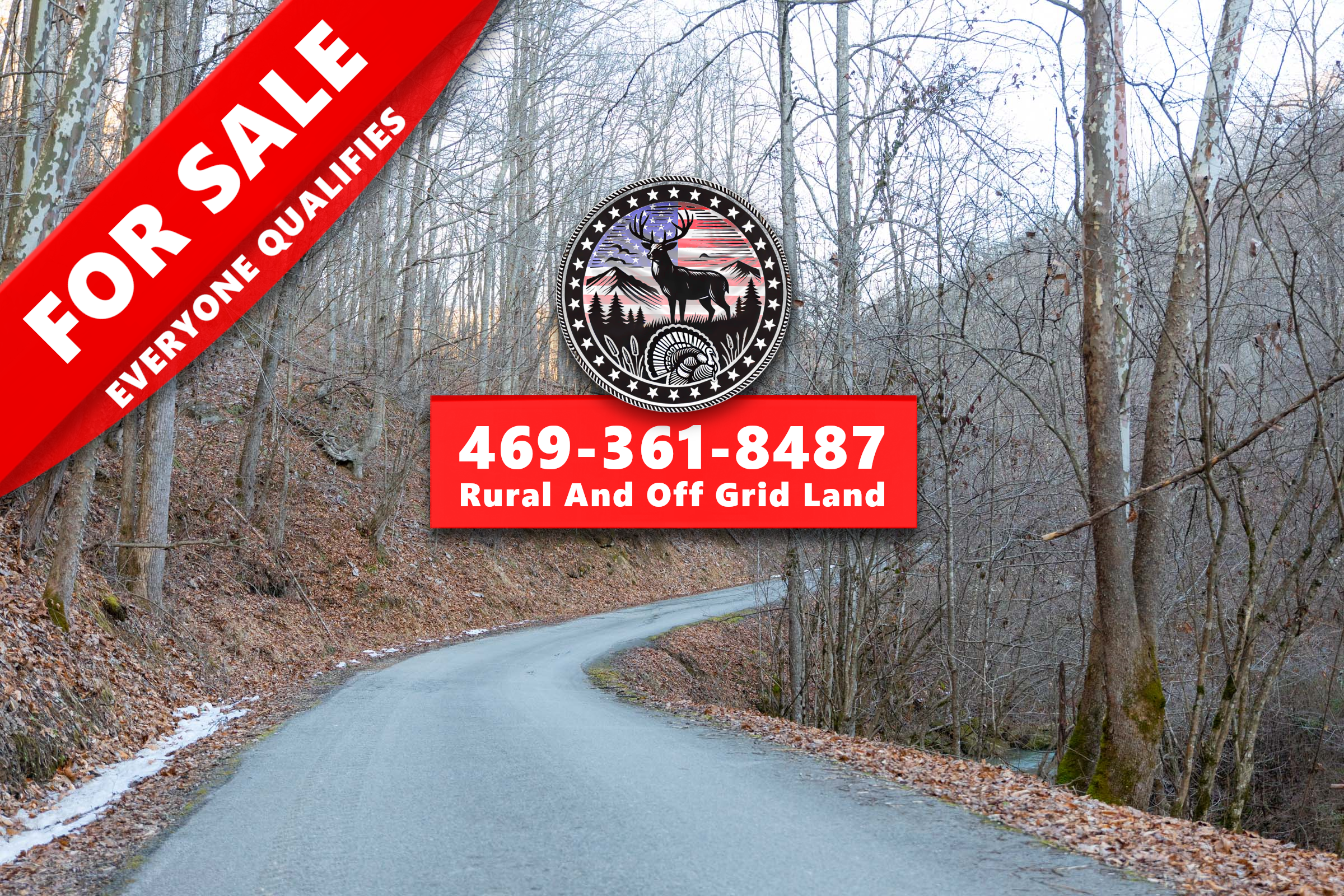
But terrain also brings challenges. Steep slopes can limit where you can build or park an off-road vehicle. Rocky soil makes well drilling more expensive and sometimes impossible. Before you commit, walk the property. Look for level building sites, check for signs of seasonal flooding, and note how the sun hits the land throughout the day. If you plan to go off-grid, southern exposure for solar panels becomes a major advantage.
Utilities and Infrastructure
Raw land rarely comes with utilities ready to go. You will likely need to arrange for well drilling, a septic system, and possibly electricity. These costs add up fast. A well can run anywhere from a few thousand to over ten thousand dollars, depending on depth and geology. A septic system requires a percolation test to see if the soil can handle wastewater. If the land fails that test, you may not be able to build a traditional home.
Some buyers choose to avoid these complications by looking for parcels that already have a well or septic in place. Others embrace the challenge of starting from scratch. I have met people who lived in an RV or a teardrop trailer while they saved up for a well and solar panels. It takes patience, but the reward is a property built exactly to your needs. Just make sure you budget for these improvements before you sign anything.
Recreation and Lifestyle
Rural land is not just about building a home. For many buyers, it is about creating a place to escape to. Recreational land can serve as a base for hunting, fishing, hiking, or simply sitting by a fire with no cell service. I own a small tract in Appalachia where I take my off-road vehicle on weekends. The land is rugged and wooded, with a creek running through it. It is not suitable for a house, but that is not why I bought it.
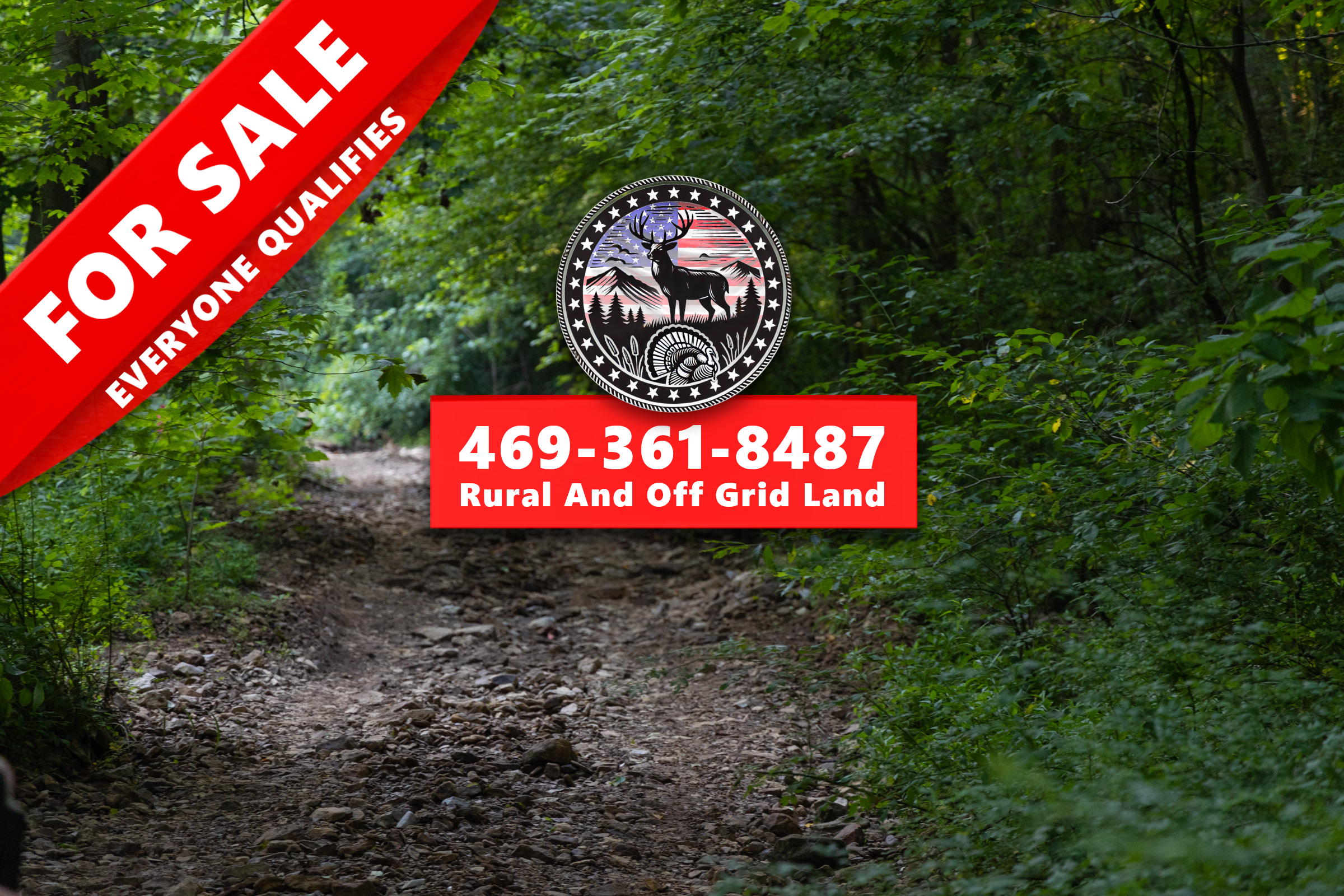
If recreation is your goal, prioritize access to trails, water, and wildlife. Hunting property with a mix of timber and open fields attracts deer and turkey. Fishing access to a river or pond adds year-round appeal. Some buyers also look for land near national forests or state parks, which expands the recreational opportunities without the cost of owning more acreage.
Building a Legacy
There is something powerful about owning a piece of the earth that you can pass down. Legacy building is a quiet motivator for many rural land buyers. They want a place where their children and grandchildren can learn to hunt, fish, and appreciate the outdoors. They want to plant trees that will outlive them and build a cabin that holds generations of memories.
Owner financing and low down payment options make this dream accessible to more people. You do not need perfect credit or a huge down payment to start. You just need a clear vision and a willingness to do the homework. I have watched families turn a bare parcel into a homesteading retreat over several years, adding a garden, a small orchard, and a simple cabin. That kind of project does not happen overnight, but it builds something lasting.
Practical Tips for Your Search
Here are a few things I have learned that can save you time and money:
- Visit the property at different times of day and in different weather. A dry summer visit might hide a spring mudhole or a washed-out road.
- Talk to neighbors. They know the area's quirks, from wildlife patterns to flooding history, and are often happy to share.
- Check county regulations on building, septic, and landscaping. Some areas have restrictions that could affect your plans.
- If you plan to hunt, verify that the property has legal access for hunting and that no posting issues exist.
- Consider a land survey before closing. Boundary disputes are surprisingly common, and a survey gives you peace of mind.
These steps may feel tedious, but they prevent costly surprises. I once skipped a wet-weather visit and ended up with a property that turned into a swamp every spring. That was a hard lesson, but it taught me to be thorough.
Final Thoughts
Buying rural land is not complicated, but it does require a shift in mindset. You are not buying a house with a warranty and a lawn service. You are buying dirt, trees, and potential. The best approach is to stay realistic about what you can afford, what you are willing to build, and what you truly want from the experience. Whether you are looking for a weekend escape with a teardrop trailer or a full-time off-grid homestead, the right parcel is out there. Take your time, ask the right questions, and do not let a pretty photo rush you into a decision you will regret.